Originally published at: New US Site-Blocking Bill Targets ISPs & DNS (Why it Matters)
U.S. lawmakers are now working together on a single site-blocking bill that could force Internet service providers and DNS companies to block access to foreign streaming sites. The move comes after a recent Supreme Court ruling changed how copyright holders can pursue ISPs for piracy-related claims. We’ve covered U.S. site-blocking developments on our website for…
“Perhaps lawmakers should spend equal energy pushing media companies to offer more affordable pricing instead of building a censorship tool.”
While I agree  , this statement may be a pipe dream….when the media companies are the very ones pushing the lawmakers with….hmmmm, maybe I’ll stop here and let ya’ll fill in the rest….
Are we moving to a China type internet where the state controls what websites we are allowed to access? The www was supposed to be uncensored, governments frowned on the Chinese for blocking access to the free Web but now they want to block the free worlds access to sites. What is the world coming to?
Funny how Congress can never come together on matters that truly means something important to one’s well-being in this country. Billion dollar companies crying to the government because they’re losing some money. Greed and control. The common individual ALWAYS has to pay.
Well said from everyone…
Usually we don’t allow for political comments on this site but we will have some lenience on this one. Please be respectful or this thread will be closed immediately.
This should be one area where we can all come together and agree that Senator Thom Tillis (R) and Representative Zoe Lofgren (D) are out of their minds for proposing something like this in the United States!
@TROYPOINT - Could we expand the standard set of emojis that are available when replying to a post?
Current set of emojis:

This topic is a great example where having some additional reaction options (such as the following) would be helpful:


While these exist within the screen when writing a new post or reply, they’re not available when reacting to someone else’s post. Thanks for considering this!
Thanks for suggestion…done. Also added a TROYPOINT emoji. 
The US is currently trying to pass legislation to achieve what the UK has already been doing for over a decade. However, the proposed US bill is notably more aggressive in its scope because it explicitly targets the backend infrastructure of the internet by trying to legally mandate global DNS providers (like Google and Cloudflare) to enforce the blocks, whereas the UK primarily focuses its legal orders on local internet service providers.
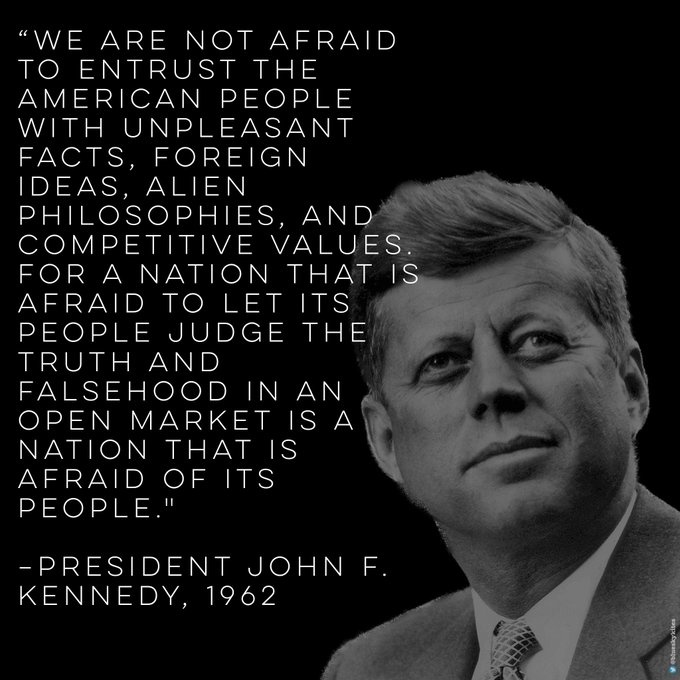
I feel when politicians act is this way that they have more than a personal interest, perhaps a financial, or even offer of work.
I am in NC and have always despised Thom Tillis and his doings even back when he was a “local yokel” - He has not changed. It’s all about ego and the almighty dollar (in his pocket).
My question is: Doesn’t a VPN shield an ISP from even knowing what is being streamed?
That’s my question as well, I thought a VPN gets around all this, my real answer is VOTE PLEASE VOTE national and local
As I don’t use a VPN I’m not sure if this is correct but I’ll take a stab. Someone can correct me if I’m flat out wrong. The Crux of the article was putting responsibility on ISP’s to block people from going to illegal streaming sites NOT to target the end user. It’s my understanding that using a VPN hides the user’s IP Address BUT I don’t think it hides where that end user is going so they are trying to make the ISP’s responsible for blocking going to certain sites
While a VPN encrypts your traffic so your ISP cannot identify the websites you visit or the data you download, they can still observe the volume of data transferred and timing patterns , which often allow them to infer that streaming is occurring.
- Visible Metadata: Your ISP can see that you are connected to a VPN server, the amount of bandwidth you are using, and the duration of your connection.
- Invisible Content: Your ISP cannot see the specific video, audio, or text within the encrypted tunnel, nor can they identify the specific streaming service or title being consumed.
- Pattern Analysis: Although the content is hidden, ISPs may use traffic analysis to guess your activities (e.g., distinguishing high-volume streaming from light browsing) based on data packet sizes and frequency.
To fully obscure the fact that you are streaming, some users employ obfuscation features or traffic obfuscation protocols to disguise VPN traffic as standard HTTPS, making it harder for ISPs to identify the connection type at all.
AI-generated 
What’s the bills name?
Very interesting
The problem here is that they can not distinguish between legal streaming (Netflix, Amazon, etc) and illegal streaming.
The problem is if DNS is targeted then in US sites will not be available. There are work around for this but more difficult. With a law like that internet content can be controlled to only allow one government controlled opinion on any matter.